BLOG
Recent Posts
Business Hours
Monday
by appointment
Tuesday
9AM-1PM ; 8PM-9PM
Wednesday
by appointment
Thursday
9AM-1PM ; 8PM-9PM
Friday
by appointment
Saturday
1PM-4PM
Sunday
Closed
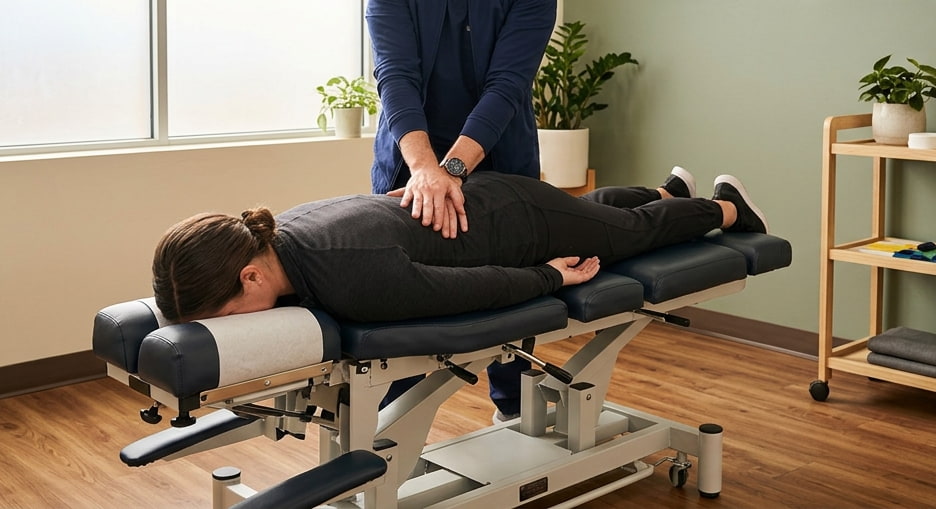
What Do Chiropractors Do? A Complete Guide to Chiropractic Care
Back pain, stiff necks, and nagging joint discomfort send millions of people searching for relief every year. Somewhere in that search, a common question surfaces: what do chiropractors do, and can they actually help?
Chiropractic care is a hands-on approach to healthcare that focuses primarily on the musculoskeletal system, including the spine, joints, and surrounding muscles. Chiropractors may use adjustments, joint mobilization, rehabilitation exercises, soft-tissue techniques, and other therapies depending on a person’s condition and goals.
But chiropractic care is more than a quick adjustment. A typical treatment plan can begin with a health history and physical examination, followed by an individualized approach based on the patient’s symptoms, movement, injury history, and treatment goals.
This guide explains what chiropractors do, what they treat, how chiropractic adjustments work, what happens during a first visit, how chiropractors are trained, and when chiropractic care may be appropriate.
What Is a Chiropractor?
A chiropractor is a licensed healthcare professional who focuses on conditions involving the musculoskeletal system, particularly the spine and joints.
Chiropractors commonly use hands-on techniques to improve joint movement and help manage certain types of pain and mobility problems. Depending on the practice, care may also include exercise, rehabilitation, soft-tissue treatment, nutritional guidance, or other supportive services.
It is important to understand that chiropractic care is not simply about “putting the spine back into place.” Modern chiropractic treatment can involve evaluating how the body moves, identifying contributing factors, improving mobility, and helping patients return to normal activities.
A chiropractor may also work with other healthcare professionals when a patient’s condition requires care outside the scope of chiropractic treatment.
What Does a Chiropractor Do?
So, what do chiropractors do during an appointment?
The process usually begins with an evaluation. The chiropractor may ask about your current symptoms, previous injuries, medical history, medications, daily activities, work, exercise, and treatment goals.
A physical examination may include:
- Range-of-motion testing
- Muscle strength testing
- Orthopedic tests
- Neurological screening
- Posture and movement assessment
- Joint and soft-tissue evaluation
In some situations, diagnostic testing or imaging may be recommended. X-rays, MRI, or other tests are not necessary for every patient and should be used when clinically appropriate.
After the evaluation, the chiropractor explains the findings and discusses treatment options.
Depending on the patient, treatment may include:
- Chiropractic adjustments
- Joint mobilization
- Soft-tissue techniques
- Rehabilitation exercises
- Stretching and mobility work
- Traction-based treatment
- Taping
- Physiotherapy
- Activity and lifestyle guidance
The purpose is to create a treatment approach that fits the patient’s specific condition rather than applying the same technique to everyone.
Chiropractic Therapy and Chiropractic Treatment Explained
The terms chiropractic therapy and chiropractic treatment are often used interchangeably, but chiropractic care can involve several different techniques.
A chiropractor may use manual adjustments to address restricted joint movement. Other patients may receive gentler mobilization, instrument-assisted treatment, soft-tissue work, or rehabilitation exercises.
Some chiropractic practices also provide services such as:
- Graston Technique or instrument-assisted soft-tissue mobilization
- Kinesiotaping
- Athletic rehabilitation
- Physiotherapy
- Traction
- Nutritional counseling
- Wellness services
The treatment selected should depend on the patient’s symptoms, examination findings, medical history, and goals.
What Happens During a Chiropractic Adjustment?
Patients frequently ask what happens during a chiropractic adjustment before their first appointment.
A chiropractic adjustment involves a controlled movement or force applied to a joint. The technique may be quick and specific or slower and gentler depending on the patient’s needs.
Some adjustments produce a popping or cracking sound. This sound is generally related to pressure changes and gas movement within a joint. It does not mean that bones are grinding against each other.
Not every adjustment produces a sound, and a popping sound is not necessary for an adjustment to be useful.
After treatment, some people report temporary changes in stiffness, pain, or range of motion. Mild soreness can also occur, particularly after a new type of treatment.
Your chiropractor should explain the technique before performing it and allow you to ask questions or raise concerns.
How Chiropractic Care Works
Understanding how chiropractic care works starts with the relationship between the spine, joints, muscles, and movement.
The spine provides structural support while allowing the body to bend, rotate, and move. Muscles, joints, ligaments, and the nervous system work together to coordinate these movements.
Injury, repetitive activity, prolonged positions, physical strain, or other factors can affect how an area moves and feels.
Chiropractic treatment may use manual techniques and movement-based care to improve joint mobility and address musculoskeletal symptoms.
It is more accurate to view chiropractic care as one approach to managing musculoskeletal function rather than assuming every symptom is caused by a spinal misalignment or “nerve interference.”
A good chiropractor should explain what they find during the examination and why a particular treatment is being recommended.
What Do Chiropractors Treat?
What do chiropractors treat most commonly?
Chiropractic care is primarily used for musculoskeletal complaints involving the back, neck, joints, and muscles. Depending on the chiropractor’s training and the patient’s condition, people may seek care for:
- Back pain
- Neck pain
- Certain headaches
- Joint stiffness
- Muscle and joint discomfort
- Sports injuries
- Work-related injuries
- Motor vehicle accident injuries
- Whiplash-related symptoms
- Certain cases of sciatica
- Reduced range of motion
- Movement-related problems
Chiropractors do not treat every medical condition, and not every pain complaint is appropriate for chiropractic care.
For example, severe neurological symptoms, serious trauma, unexplained systemic symptoms, or other medical emergencies may require prompt evaluation by a physician or emergency medical service.
Who Can Receive Chiropractic Treatment?
A reasonable question is who can receive chiropractic treatment.
Chiropractic care may be considered for adults, older adults, athletes, and other patients when a qualified provider determines that treatment is appropriate.
Some chiropractors also provide specialized care for children and pregnant patients. In these cases, the provider should have appropriate training and use techniques suited to the patient’s age, condition, and circumstances.
Age alone does not determine whether someone should receive chiropractic care.
A chiropractor should consider factors such as:
- Previous injuries
- Bone health
- Pregnancy
- Medications
- Neurological symptoms
- Recent surgery
- Existing medical conditions
- The nature and severity of the complaint
This screening helps determine whether chiropractic care is appropriate and which techniques, if any, should be considered.
Who Can Benefit from Chiropractic Treatment?
Closely related is the question of who can benefit from chiropractic treatment.
People may seek chiropractic care when they are dealing with back or neck discomfort, restricted movement, certain sports injuries, work-related injuries, or symptoms following a motor vehicle accident.
Athletes may use chiropractic care alongside rehabilitation and strength training as part of a broader approach to physical performance.
People who spend long periods sitting, standing, lifting, or performing repetitive work may also seek care for musculoskeletal discomfort.
Chiropractic treatment can also be combined with other forms of care when appropriate. A patient recovering from an injury, for example, may benefit from a combination of manual treatment, rehabilitation exercises, and other healthcare services.
What Are the Benefits of Chiropractic Care?
Among the benefits of chiropractic care are improved mobility, reduced pain for certain musculoskeletal conditions, and improved ability to perform everyday activities.
Research supports spinal manipulation as one treatment option for some people with low back pain, although results vary and it is not appropriate for everyone.
Potential benefits may include:
- Improved joint movement
- Reduced musculoskeletal discomfort
- Better range of motion
- Support during injury rehabilitation
- Improved ability to perform daily activities
- A conservative treatment option for selected conditions
It is important to avoid expecting chiropractic care to provide a guaranteed cure. A responsible treatment plan should have a clear purpose and should be reassessed according to the patient’s progress.
Reasons to See a Chiropractor
There are several practical reasons to see a chiropractor.
You may consider an evaluation if you experience:
- Persistent back or neck discomfort
- Limited range of motion
- Recurring muscle or joint pain
- Certain sports injuries
- Work-related injuries
- Symptoms after a motor vehicle accident
- Stiffness that interferes with daily activities
- Difficulty returning to normal physical activity
- Certain musculoskeletal conditions
Some people also seek wellness chiropractic care as part of an ongoing approach to movement and physical health.
However, wellness care should not replace appropriate medical evaluation when symptoms suggest a serious injury or underlying medical condition.
When Should You See a Chiropractor?
Knowing when should you see a chiropractor matters just as much as knowing why.
An evaluation may be appropriate when pain or stiffness continues, affects your daily activities, or does not improve with reasonable self-care.
If your symptoms began after an accident, workplace injury, sports injury, or repetitive physical activity, an evaluation can help determine what type of care may be appropriate.
However, certain symptoms require prompt medical attention rather than a routine chiropractic appointment.
Seek urgent medical evaluation for symptoms such as:
- Sudden or progressive weakness
- Loss of bladder or bowel control
- Numbness around the groin or inner thighs
- Severe symptoms following major trauma
- Chest pain or difficulty breathing
- Severe headache accompanied by unusual neurological symptoms
- Fever with severe back pain
When symptoms are severe, rapidly worsening, or unusual for you, it is important to seek appropriate medical care.
Is Chiropractic Care Safe?
Is chiropractic care safe?
For many appropriately screened patients, chiropractic care is considered a low-risk conservative treatment option. However, no healthcare treatment is completely risk-free.
Temporary soreness, stiffness, or discomfort may occur after manipulation.
Neck manipulation deserves particular consideration because rare but serious complications have been reported. Patients should discuss their medical history, medications, symptoms, and treatment options with a qualified provider before treatment.
A responsible chiropractor should also recognize when a patient needs referral to another healthcare professional.
The goal should not be to treat every patient with the same technique. Treatment should be selected based on the patient’s individual circumstances.
Are Chiropractors Doctors?
This raises another common question: are chiropractors doctors?
Yes. In the United States, chiropractors who complete an accredited professional program earn a Doctor of Chiropractic, or D.C., degree.
However, a D.C. is different from an M.D. or D.O. medical degree.
Chiropractic education focuses heavily on areas such as:
- Anatomy
- Physiology
- Neurology
- Biomechanics
- Orthopedics
- Diagnostic procedures
- Chiropractic techniques
- Clinical practice
Chiropractor Schooling
Chiropractor schooling involves extensive classroom, laboratory, practical, and clinical education.
After completing the required education, chiropractors must meet licensing requirements in the state where they practice. Requirements can include examinations, background checks, and continuing education.
What Degree Do Chiropractors Have?
In the United States, chiropractors earn a Doctor of Chiropractic (D.C.) degree.
The D.C. degree prepares graduates specifically for chiropractic practice. It is not the same professional qualification as an M.D. or D.O.
Scope of practice can vary by state, so the services a chiropractor may legally provide depend on local regulations and licensing requirements.
What Do Doctors Think of Chiropractors?
Many people search for what do doctors think of chiropractors before making an appointment.
There is no single opinion shared by every physician. Healthcare professionals may have different views depending on the condition being treated, the evidence for a particular technique, and the individual provider.
For certain musculoskeletal conditions, spinal manipulation is recognized as one conservative treatment option. Chiropractic care can also be coordinated with physicians, physical therapists, orthopedic specialists, and other healthcare professionals when appropriate.
The most useful question is not whether chiropractic care is universally good or bad, but whether a specific treatment is supported for a specific condition and is appropriate for the individual patient.
Where Do Chiropractors Work?
Where do chiropractors work?
Many chiropractors operate private practices. Others work in multidisciplinary clinics, rehabilitation settings, sports-focused practices, wellness facilities, or other healthcare environments.
Some chiropractors specialize in areas such as:
- Sports chiropractic
- Injury rehabilitation
- Motor vehicle accident care
- Workers’ compensation injuries
- Wellness care
- Pediatric care
- Prenatal care
- Nutrition
The setting and services depend on the chiropractor’s education, experience, certifications, and state scope of practice.
What Tools Do Chiropractors Use?
Beyond manual adjustment, what tools do chiropractors use?
The answer varies from one practice to another.
Common chiropractic equipment and techniques can include:
- Chiropractic adjustment tables
- Instrument-assisted treatment
- Soft-tissue tools
- Rehabilitation equipment
- Taping supplies
- Traction equipment
- Exercise equipment
- Diagnostic imaging when clinically indicated
Some practices also use specialized technologies or therapies for rehabilitation and wellness.
The important point is that equipment should support a patient’s evaluation and treatment plan rather than be used simply because it is available.
What Happens During the First Chiropractic Visit?
Your first chiropractic visit usually begins with information gathering and an evaluation rather than immediately moving into treatment.
1. Health History
The chiropractor may ask about your current symptoms, previous injuries, medical conditions, medications, work, exercise, and treatment goals.
2. Physical Examination
Depending on your complaint, the examination may include range-of-motion testing, muscle strength testing, orthopedic testing, neurological screening, and other functional assessments.
3. Diagnostic Testing When Appropriate
Some patients may need diagnostic imaging or other tests. These are generally considered when the examination and medical history indicate that additional information is needed.
4. Treatment Discussion
The chiropractor should explain what was found and discuss whether chiropractic treatment is appropriate.
This is also your opportunity to ask:
- What is causing my symptoms?
- What treatment are you recommending?
- Why is this treatment appropriate for me?
- What alternatives are available?
- How will we measure progress?
5. Personalized Treatment Plan
If chiropractic care is appropriate, your treatment plan may include adjustments, rehabilitation, soft-tissue work, exercise, or other therapies.
There is no universal number of visits that every patient needs.
Chiropractic Care vs. Physiotherapy
People often ask whether they should see a chiropractor or physiotherapist.
Chiropractic care commonly emphasizes manual treatment, spinal and joint movement, and musculoskeletal care. Physiotherapy often places greater emphasis on exercise, strengthening, mobility, functional rehabilitation, and recovery after injury or surgery.
There is overlap between the two professions, and some patients may benefit from both.
Instead of asking which profession is always better, consider which approach matches your condition, goals, and stage of recovery.
Final Thoughts
At its core, what do chiropractors do comes down to evaluating and managing problems involving the musculoskeletal system, particularly the spine, joints, and surrounding tissues.
Chiropractors may use adjustments, mobilization, rehabilitation, soft-tissue techniques, exercise, taping, and other approaches depending on the patient’s needs.
Chiropractic care may help some people manage certain types of pain and improve movement, but it is not appropriate for every condition.
Understanding your diagnosis, asking questions, knowing your treatment options, and choosing a properly licensed provider can help you make a more informed decision about your care.
Chiropractic Care at Relief Chiropractic in Levittown, PA
If you’re looking for chiropractic care in Levittown, PA, Relief Chiropractic provides a range of chiropractic, rehabilitation, injury, wellness, and supportive services. The practice is located in Levittown, Pennsylvania, and is led by Dr. David Paolini. The clinic’s website lists chiropractic care, workers’ compensation injuries, motor vehicle accidents, Graston Technique, rehabilitation and athletic enhancement, Kinesiotaping, blood work-based nutrition, corporate/industry wellness, DOT physicals, and whole body vibration.
Services Offered
- Chiropractic Care
- Workers’ Compensation Injuries
- Motor Vehicle Accidents
- Graston Technique (IASTM)
- Rehabilitation / Athletic Enhancement
- Kinesiotaping
- Blood Work Based Nutrition
- Corporate/Industry Wellness
- DOT Physicals
- Whole Body Vibration
The practice describes its chiropractic evaluation as including a health history and physical examination, with orthopedic and neurological testing when appropriate. Additional diagnostic testing such as X-rays, MRI, or EMG may be considered when needed.
Meet Dr. David Paolini
Dr. David Paolini graduated from Life West Chiropractic College with his Doctor of Chiropractic degree in 1996. He previously earned a B.S. in Biology from The College of New Jersey in 1992.
Before becoming a chiropractor, Dr. Paolini worked as a Red Cross instructor. During his professional career, he has worked as a clinic director in pain management centers and as a medical liaison, providing presentations to government agencies, insurance companies, corporations, and physician groups.
His listed additional education and certifications include accident reconstruction, acute and chronic traumatic injury, brain traumatology, sports rehabilitation, nutrition, manipulation under anesthesia, chiropractic insurance consulting, peer review consulting, whiplash and brain injury traumatology, and Graston training.
Education
- Doctor of Chiropractic (D.C.) — Life West Chiropractic College, 1996
- B.S. in Biology — The College of New Jersey, 1992
Certifications and Additional Training
Dr. Paolini’s listed certifications and training include:
- Certified in Manipulation under Anesthesia
- Certified Chiropractic Insurance Consultant
- Certified Peer Review Consultant
- Certified in Accident Reconstruction for Low-Speed Rear Impact Collisions
- Certified in Whiplash and Brain Injury Traumatology
- Accident Reconstruction for the Medical Practitioner
- Graston Trained
Relief Chiropractic in Levittown, PA
Relief Chiropractic is located at 1249A Woodbourne Rd, Levittown, PA 19057. The practice lists (215) 337-3997 as a contact number.
Phone: (215) 337-3997
Location: Levittown, PA
Website: Chiropractor in Levittown, PA
Map: Relief Chiropractic
Frequently Asked Questions
What are the key differences between a physiotherapist and a chiropractor?
Physiotherapists primarily focus on rehabilitation through exercise, strengthening, mobility training, and functional movement. Chiropractors commonly emphasize manual treatment, joint movement, and spinal care.
There is some overlap between the two professions, and they can complement each other depending on the patient’s condition.
Is a chiropractor an MBBS doctor?
No. A chiropractor earns a Doctor of Chiropractic (D.C.) degree rather than an MBBS or M.D. degree.
Chiropractic education focuses specifically on chiropractic practice and musculoskeletal health, while medical doctors receive broader medical education and training.
Is it better to see a physio or chiropractor?
It depends on the condition and your treatment goals.
Chiropractic care may be considered for certain spinal and joint-related problems, while physiotherapy is commonly used for rehabilitation, strengthening, mobility, and functional recovery.
Some patients may benefit from both approaches.
What are red flags for chiropractors?
Be cautious of providers who:
- Promise guaranteed cures
- Discourage appropriate medical care
- Recommend treatment without explaining why
- Push unnecessary treatment without clear clinical reasoning
- Fail to perform an appropriate evaluation
- Refuse to answer reasonable questions about treatment
A responsible provider should explain the proposed care, discuss appropriate alternatives, monitor progress, and refer you to another healthcare professional when necessary.
How often should you see a chiropractor?
There is no universal treatment schedule.
The number and frequency of visits depend on the patient’s condition, symptoms, goals, response to treatment, and overall health.
Your chiropractor should explain why a particular treatment schedule is being recommended and reassess your progress over time.
Can a chiropractor help with back and neck pain?
Chiropractic care may help some people with certain types of back and neck pain.
Treatment can include adjustments, mobility work, rehabilitation exercises, soft-tissue treatment, or other conservative approaches depending on the individual’s condition.
Can chiropractors help after a car accident?
Some chiropractors provide care for musculoskeletal problems associated with motor vehicle accidents, including certain whiplash-related symptoms.
After a serious collision, however, medical evaluation may be necessary to rule out significant injuries before beginning routine chiropractic care.
What is the Graston Technique?
The Graston Technique, also known as instrument-assisted soft-tissue mobilization or IASTM, uses specialized instruments to work with soft tissues.
It may be incorporated into a rehabilitation plan for appropriate patients, particularly when soft-tissue treatment is considered useful.
Do chiropractors only treat back pain?
No. Chiropractic care can involve the neck, shoulders, hips, knees, and other parts of the musculoskeletal system.
People may also seek chiropractic care for sports injuries, work-related injuries, certain headaches, mobility limitations, and symptoms following motor vehicle accidents.
Author Bio
Dr. David Paolini is a chiropractor with more than 20 years of experience in chiropractic and pain management care. He earned his Doctor of Chiropractic degree from Life West Chiropractic College and has advanced training in injury care, accident reconstruction, whiplash and brain injury traumatology, sports rehabilitation, nutrition, and the Graston Technique. Through Relief Chiropractic, he provides chiropractic care and rehabilitation services for patients dealing with musculoskeletal concerns, work injuries, and motor vehicle injuries in Levittown, PA.
Popular Posts
What Do Chiropractors Do? A Complete Guide to Chiropractic Care
Back pain, stiff necks, and nagging joint discomfort send millions…

How to Choose a Chiropractor in Levittown, PA
Back pain, neck pain, stiffness, or an injury can make…
10 Questions to Ask Before Choosing a Chiropractor in Levittown, PA
If you are looking for chiropractic care in Levittown, PA,…